
|
|

|
PROGRAM
DESCRIPTION Farr
Academy provides an academically enriching, therapeutic environment that
can effectively manage students with academic, emotional/behavioral problems
while enabling them to learn and grow academically, socially, and emotionally.
Teachers
at Farr Academy undertake the role of teacher/counselor, integrating effective
principles from both the teaching and counseling professions into the
classroom.
A
range of services are provided that help students understand and change
the beliefs and underlying emotional issues which cause behaviors that
interfere with learning and personal growth. This is achieved through
the formation of therapeutic relationships with staff, and a rigorous
curriculum that is tailored to the learning needs and academic levels
of the individual student. The following program components and strategies
are employed to assist students as they tackle educational tasks, achieve
emotional stability, manage interpersonal relationships, and endeavor
to reach their potential.
|The_Therapeutic_Environment|
|Therapeutic_Alliances_with_Staff|
|Staff|
|Small_Classes| |Curriculum|
|Remedial_Services_/_Tutorial|
|Studio_Art_/_Woodshop| |Physical_Education|
|Problem_Solving_/_Communication_Meetings|
|Homeroom_Groups_/_Rap_Up|
|School_to_Career| |Transition_Planning|
|PACE| |Camping|
|Outreach|
The
Therapeutic Environment
The
therapeutic environment lies at the heart of Farr Academy. Care, respect,
patience, knowledgeable staff, thoughtful student-centered teaching, positive
systems, and the art of never giving up on a student are joined together
with expectations and standards that encourage and support learning, emotional
growth, positive change, competence, achievement and the ability to be
self-reliant and independent. A therapeutic environment fosters tolerance
and understanding by focusing on reflection, group process and shared
goals. Students are supported as they are challenged to strive harder
and are taught in ways that promote success. They are encouraged to question
their beliefs and actions as they explore new ideas and ways of thinking.
They are encouraged to strive, with the knowledge that they will only
be asked to tackle tasks that are well within their emotional and academic
reach.

Therapeutic
Alliances with Staff
It
is our belief that therapeutic alliances enable staff to work with students
in order to foster emotional and academic growth. The core of these alliances
is formed by the classroom teacher/counselor and the homeroom teacher/counselor.
Classroom teacher/counselors use multiple techniques to break through
barriers, provide corrective experiences in the classroom, and begin to
help students believe in themselves as students, as individuals, as members
of a group, and as part of a community.
The
homeroom teacher/counselor serves as the primary counselor, support person,
advocate, and together with the parent worker, liaison with family and
community. Students are guided by the homeroom teacher/counselor through
the process of developing trust, self-awareness, self-confidence, self-control,
and respect for self and others by providing counseling, facilitating
problem solving meetings, reinforcing compliance with rules, and teaching
strategies and techniques to manage stress and frustration. Understanding
how the past impacts the present and how their beliefs and feelings drive
their behaviors are powerful insights that evolve over time. Through these
two complementary alliances students learn to set and work toward goals,
communicate successfully with others, and become decision makers who make
effective choices.
Staff
The
Farr Academy staff consists of administrators, clerical staff, teacher/counselors,
clinical staff and consultants. The overall program student/staff ratio
is 2:1. The 2:1 ratio includes all staff involved in providing direct
services to students, including tutoring and school-to-career counseling.
At Farr Academy the quality and capability of each staff person is believed
to be of primary importance. We therefore hire staff based on their ability
to work well with the students at Farr Academy as well as for their professional
credentials.
Farr
Academy approaches our work with students from an integrated perspective
and therefore each staff person is both teacher and counselor to the students
within their classes and most especially to those students within their
homeroom. Homeroom teacher/counselors have the largest share of responsibility
for providing counseling, outreach, support and advocacy for the students
in their homeroom and together with the parent worker provide the linkage
with parents and community workers.
Small
Classes
Small
classes provide the opportunity to develop intensive individualized instruction
based upon each student's ability, potential and need. Specific approaches
are geared to the learning disabled student. Two teacher/counselors are
most often assigned to work with approximately six students and therefore
have the opportunity
to provide individual instruction to students in the classroom. Counseling
and teaching are integrated into the classroom by teacher/counselors who
work to balance the emotional and academic needs of all students. This
permits the individualized attention necessary to get beyond the emotional
barriers that make it difficult for the student to learn. Defenses such
as anger, boredom and indifference that cover over the pain and anguish
of unsuccessful school experiences are more easily penetrated by a trusted
teacher/counselor with whom a student has formed an alliance. Small classes
permit attentional problems, distractibility and impulsivity to be addressed.
Academic strengths are reinforced and areas of weakness are remediated.
Structured group activity and learning is emphasized as well in order
to encourage interpersonal pro-social skills.
Curriculum
The
curriculum, aligned to the Massachusetts Curriculum Frameworks, includes
an array of middle and high school courses. Coursework, although typically
rigorous, includes opportunities for individual instruction, remediation,
modification and accommodation. Students with a learning disability are
provided specialized instruction in the classroom and the opportunity
for a tutorial. Each student maintains a weekly schedule that includes
English, mathematics, science, social studies, Spanish, woodshop, art,
electives and physical education. Remedial and college preparatory courses
are offered. Methods and materials are
carefully chosen to encourage students to challenge themselves, build
on strengths and remediate areas of weakness.
Although
most classes include individualized instruction, group learning is included.
Instruction is geared to address learning needs as well as academic skill
level. Since students at Farr Academy have the potential to achieve academically
and may choose to further their education after high school, they are
encouraged to pursue challenging course work.
Each term students select two elective courses from a list of diverse
course offerings. A sampling of current elective courses includes the
following: computer instruction, creative writing, anatomy and dissection,
driver's education, furniture making, journalism, mythology, educational
excursions, astronomy, outdoor adventure, SAT and MCAS preparation, instructional
weight-training, and music instruction, including guitar, bass guitar,
piano, voice and drum.
Remedial
Services / Tutorial
Remediation
of academic weaknesses and specific learning disabilities is focused on
in the classroom. The format and structure
of academic classes permit the two teacher/counselors to develop individualized
curriculum, provide one-to-one instruction and support, and modify the
curriculum in order to remediate deficits while at the same time build
on academic skills. When a student needs more individualized instruction
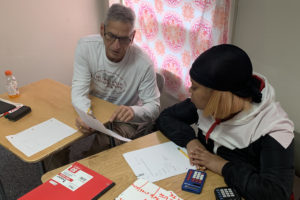
and attention, one-to-one tutorials are provided. Individual tutorials
are provided for a variety of reasons. They are offered to students who
have a specific learning disability such as dyslexia; to students who
would profit from a one-to-one relationship for emotional support; to
students who need one-to-one instruction in a particular subject, and
also to students who excel in and want to pursue a particular area of
interest.
Studio Art / Woodshop
The
opportunity to explore creative, project-oriented endeavors is provided
through an extensive art and woodshop program integrated
into the daily course of studies. Individual instruction is
geared toward student-driven projects based upon skill level and competence.
Students are encouraged to explore various materials and learn new skills
in a safe, non-stressful environment that supports creative expression
and often serves as a therapeutic outlet. For the student with a serious
interest in pursuing art or furniture making/carpentry in the future,
the Studio Art and Woodshop staff possess the expertise to help students
build a portfolio and demonstrate competencies toward that goal.
Physical
Education
Physical
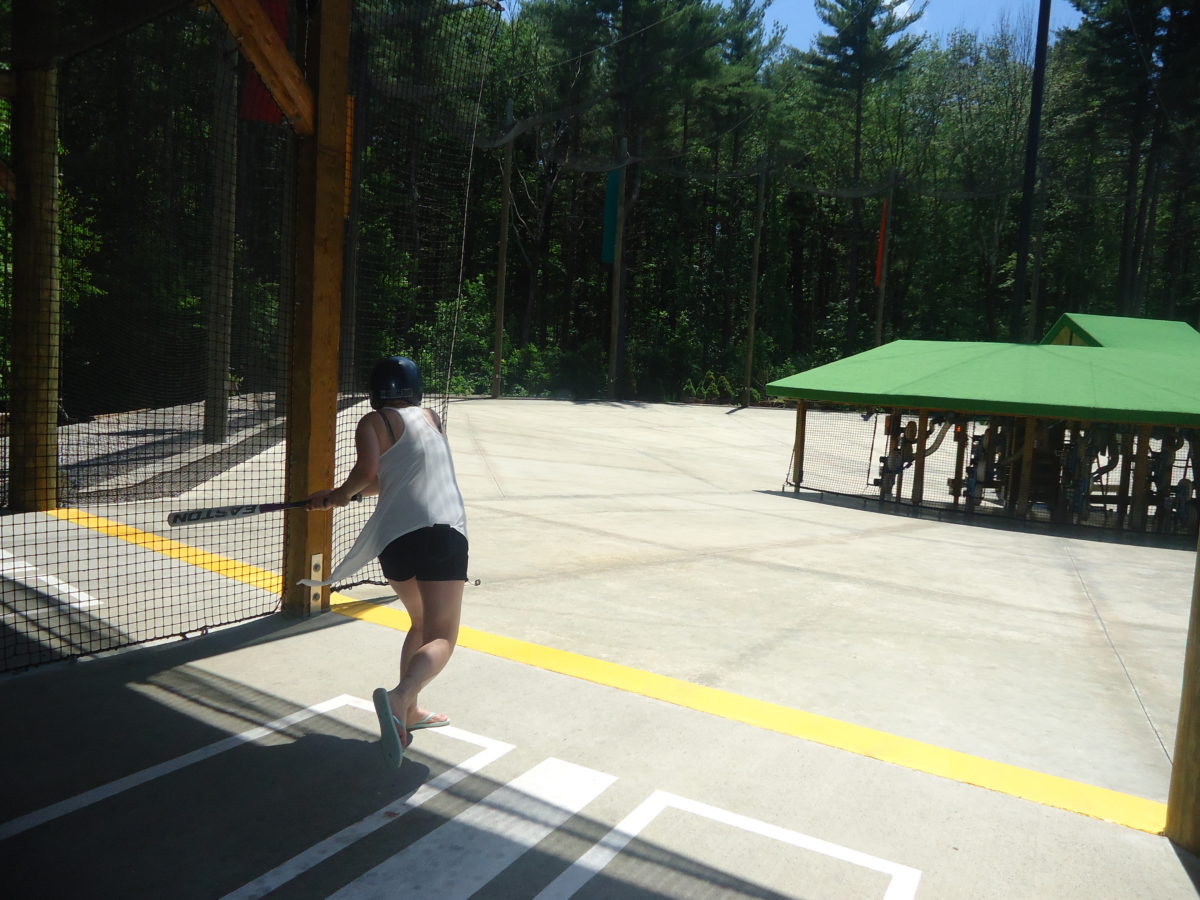
education classes concentrate on developing individual and team skills
as well as the appreciation and enjoyment of varied athletic activities.
Seasonal intramural and inter-league team sports are offered in addition
to general fitness and health classes. Exercise and team sports offer
a safe outlet to express a range of complex feelings. Students are supported
and encouraged to explore the advantages offered through these activities.
Problem Solving/Communication Meetings
Many
of our students are frequently confronted by problems, some of their own
creation and others they have no control over. They rarely have developed
a means of dealing effectively with them. We provide our students the
opportunity to learn the basic skills that enable them to become problem
solvers and sound decision makers through counseling and our system of
problem solving meetings. They learn to solve conflicts, discuss differences
of opinion, clarify confusions, and work through frustrations. Through
discussion and reflection, they learn to identify the real problem. They
learn how to assess their own feelings and beliefs and to respect and
understand the feelings and beliefs of others. They learn how to get to
"what really happened", and to recognize their own role in any
interaction as well as the role of others.
With practice, students learn how to resolve, or at the very least, come
to terms with “the problem”. Within this non-judgmental, non-punitive
format, students learn to trust that they will be heard and will be helped
to hear others. They learn that with patience, persistence, and practice,
nearly all problems and conflicts can be avoided or resolved in this manner.
Learning how to listen to the concerns, opinions, and perceptions of others
and how to express one's own ideas and feelings are central to gaining
a sense of control over one's life. Many of our students feel that they
have never been listened to and have never figured out how to have a positive
voice. Instead, they often use behaviors that are provocative or destructive
as their primary means of communication. They have heard so little that
is positive and so much that hurts, that it is safer to just turn off
the voices that assault them and therefore, have long ago stopped listening
to anyone. They are so often immersed in problems they can neither understand
nor resolve and possess such underdeveloped communication skills that
they do not have the ability to engage in a meaningful discussion. Therefore
they express themselves through unhelpful verbal interchanges or negative
behaviors. Central to the concept of problem solving/communication meetings,
is the ability of the student, with help, to look within, get beyond the
defenses and explore the underlying feelings which may have nothing to
do with the stated or apparent conflict that rears up, overwhelms the
student and lies at the heart of the problem. Within the format of the
problem solving/communication meetings established at Farr Academy, students
learn and practice the skills that enable them to better understand themselves
and others. They learn to give equal weight to “facts” and
“feelings” and understand the interplay between the two. They
become better communicators, learn to make sound decisions that successfully
prevent potential problems or conflicts, and become more effective at
avoiding, preventing and solving problems through reflection and discussion.
Homeroom
Groups / Rap-Up
Opportunities
for group discussion are made available through weekly Homeroom groups
and all school Rap-Up sessions facilitated by trained Farr Academy staff.
A wide variety of topics raised by students or staff can become the focus
of discussion in the small homeroom group and/or the larger all school
Rap-Up.
School
to Career
The
School-to-Career Counselor assists students as they explore options for
post high school opportunities, whether college, technical school, or
employment, and works with employers to provide internships, training,
and paid employment to all interested students. Career counseling and
exploration, as well as work experiences serve as a bridge for students
as they prepare for the future. For many students this process first begins
with the desire to find and hold a job. For others, college, technical
school, the trades, or other fields of interest are ideas that have been
nurtured for years. The School-to-Career Counselor offers all students
the opportunity to explore the wealth of options available before and
after graduation beginning with their interests and talents.
Working
with students and parents, the School-to-Career Counselor and Transition
Team, a designated group of Farr Academy
staff chosen to serve as Transition Advisors, coordinate the college and
technical school search and admissions process as well as exploration
of the trades and other fields of interest; provide information regarding
FAFSA forms and eligibility, SAT preparatory courses, SAT test schedules,
campus visits, and oversee the application process.
Classroom
instruction and field experiences are provided to expose students to various
employment options and increase their employability. Specific job related
skills are taught and on-the-job training opportunities may be included
through field trips, job shadowing, off-site and on-site internships,
and after school employment. Students are encouraged to learn about work
through the process of job searching, application, securing a position,
maintaining employment by demonstrating proper work habits, and leaving
a job appropriately. Throughout this experience, students are guided,
supervised, counseled and advised by the School-to-Career Counselor who
searches out jobs and serves as a liaison between the school and the job
site.
Transition
Planning
Students
enter Farr Academy because they have been unsuccessful in some aspect
of their lives. They may have had difficulty in the public schools, in
their families, or in their communities. It is our goal that at some point
all students will work through many of the issues that made it impossible
for them to function effectively. Planning for the transition to public
school, graduation from Farr Academy or placement in an alternative program
is an integral part of the IEP TEAM meeting process as well as regularly
scheduled staff meetings and meetings of the Transition Team, a designated
group of staff chosen to serve as Transition Advisors who monitor the
process of goal setting, goal attainment, readiness for reintegration
to public school and/or meeting graduation requirements. Students, parents,
liaisons from the public schools and other agency staff are regularly
consulted throughout this process. Post graduation planning is monitored
and coordinated through the School-to-Career Counselor in consultation
with the Transition Team.
PACE
PACE
is a point system intended to be used as a concrete resource for students
to reflect upon their overall school and class-by-class performance. It
is used in conjunction with discussions geared to acknowledge successes,
problem solve concerns and create plans that support positive change.
Students
earn points based upon their Promptness and Attendance to school, and
their Cooperation and Effort in each class. Students are encouraged to
use this system to review and evaluate their performance and progress
with their homeroom teacher/counselor and to identify areas of strength
and areas that need improvement.
Camping
Farr
Academy offers the opportunity to experience the outdoors with trained
staff guiding each trip to all students who wish to participate.
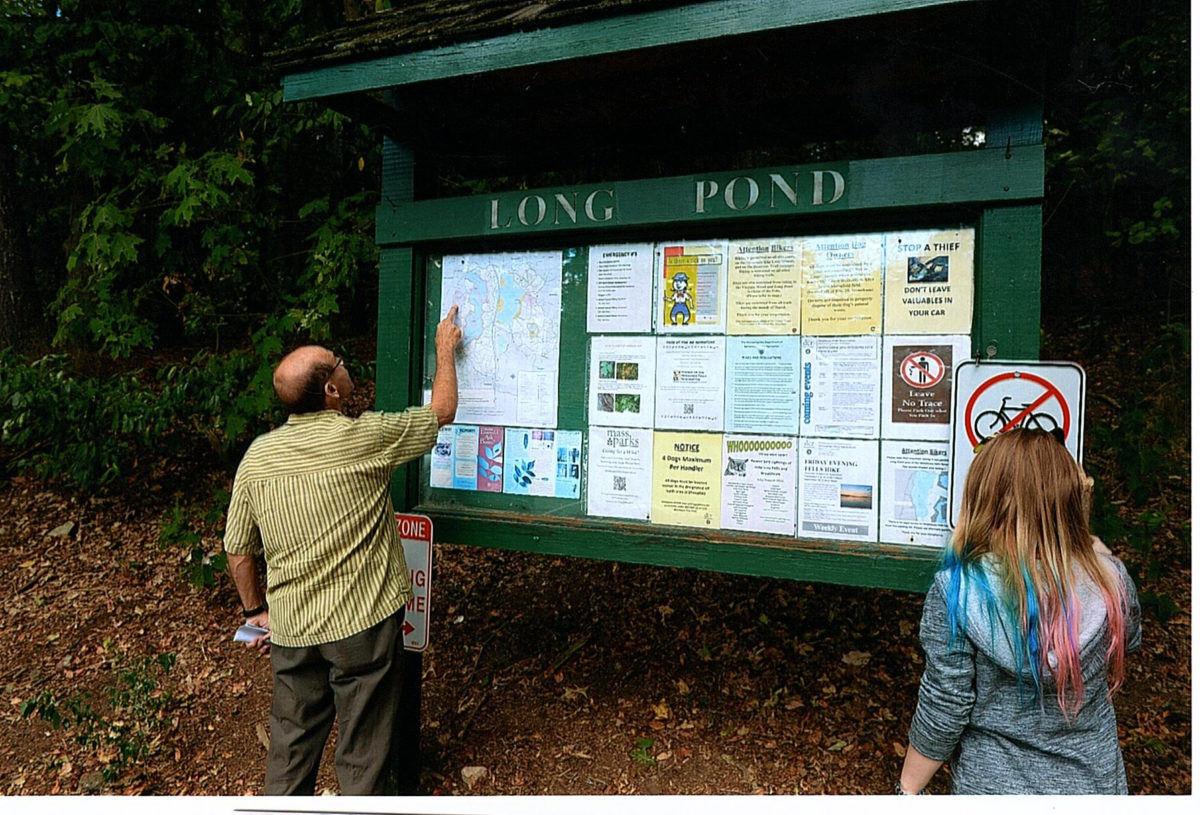
Students are encouraged to sign up for day trips and one or two night
camping trips scheduled for weekends throughout the school year. Trips
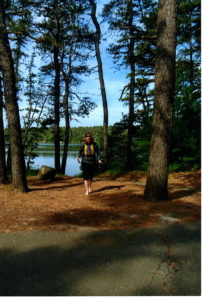
include hiking the White Mountains in New Hampshire with packs, canoeing
the Saco River in Maine and tenting overnight on a sandbar, cross-country
skiing and snow-shoeing, fishing, and bike hikes. Overnight trips range
from tenting in the wilderness and in campsites to sleeping in cabins
in the woods on winter trips.
For
many students, the Farr Academy camping program exposes them to a new
awareness of the beauty, peace and excitement contained in the mountains,
rivers, lakes, marshes and tidal pools in New England as well as a new
understanding of their own capabilities and a much needed feeling of success
and self-evident accomplishment. The unique confidence that comes from
enduring the challenges inherent in many outdoor experiences can help
motivate youngsters who have felt failure to reach out and explore other
experiences with a new found sense of their ability to attain a goal they
have set for themselves, The joy of a hard climb to the top of a mountain,
the thrill of snow-shoeing through the quiet woods in winter, and the
sheer pleasure of canoeing a river remains a special memory for many Farr
Academy alumni who continue to use what they learned through the camping
program far beyond their years at Farr Academy.
Outreach
Outreach
is an integral component of Farr Academy. As its name implies, staff reach
out on a regular basis to help a student and/or parents during times of
stress. We are aware of how difficult it is to break well established
patterns of truancy or avoidance of school and to resist the pull of the
peer group or manage the complexity of family dynamics. Therefore outreach
in various forms is provided. For the student having difficulty getting
to school daily, staff may provide morning wake-up calls, pick-up services,
and family meetings to discuss the underlying issues. At times, a student
needs additional outreach even when in school daily. This too is provided
on an ongoing basis in a variety of ways. Staff devote many additional
hours beyond the usual school day to students and parents, including school
breaks, at various times during the course of a student's tenure at Farr
Academy.

|
|